Understanding Terpinolene: Importance, Creation, and How to Obtain It
Terpinolene is a fascinating compound that belongs to the class of terpenes, which are naturally occurring organic chemicals produced by various plants, particularly conifers and certain flowers. As a mono- and sesquiterpene, terpinolene plays an essential role in the fragrance, flavor, and biological properties of many plants. It has a diverse range of applications across industries such as cosmetics, food, pharmaceuticals, and even cannabis cultivation.
What is Terpinolene?
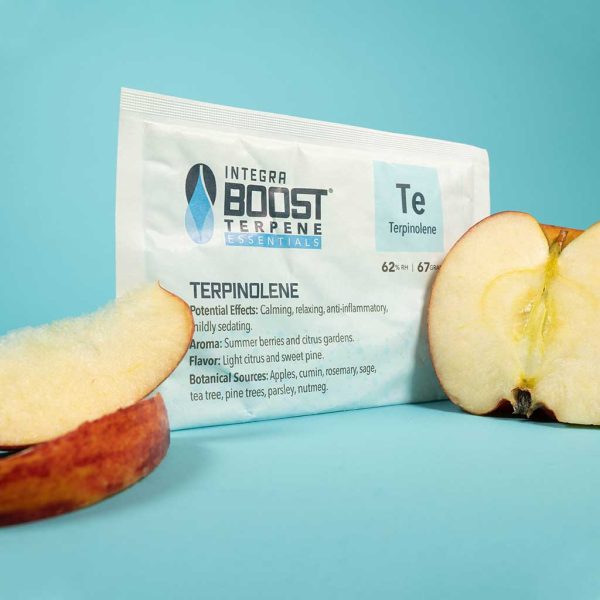
Terpinolene is a colorless to pale yellow liquid, often used for its pleasant aroma. It has a sweet, floral, and slightly herbal scent with hints of citrus, pine, and spice. The molecule consists of a mixture of isomers, which gives it a complex but refreshing fragrance profile. Terpinolene is found in many essential oils, including those of cumin, lilac, nutmeg, and tea tree, among others.
This compound is often used in the perfume and cosmetic industries, where it enhances the fragrance of products. It also serves as an important ingredient in many household cleaning products due to its fresh, crisp aroma. Beyond its sensory qualities, terpinolene exhibits promising biological properties, including antioxidant, antimicrobial, and anti-inflammatory effects.
The Importance of Terpinolene
Terpinolene is more than just an aromatic compound—it offers several benefits that make it a valuable substance across various sectors. Here are some key points about its importance:
-
Fragrance and Flavor: In the perfume and flavor industries, terpinolene is prized for its floral and herbaceous scent. It is commonly used in soaps, candles, and air fresheners. It also plays a role in flavoring food and beverages, particularly in citrus and herbal-infused products.
-
Antioxidant Properties: Research has shown that terpinolene has antioxidant properties, which can help protect cells from oxidative stress and prevent damage from free radicals. This makes it a potential ingredient in skincare formulations aimed at anti-aging and skin protection.
-
Antimicrobial Effects: Terpinolene has demonstrated antimicrobial activity against a variety of bacteria and fungi. This property is beneficial in formulations intended to preserve the freshness and cleanliness of products, such as disinfectants and sanitizers.
-
Potential Medicinal Uses: Studies suggest that terpinolene may have anti-inflammatory and anticancer properties. It has been examined for its potential role in reducing symptoms of certain inflammatory diseases, as well as its ability to inhibit the growth of cancer cells.
-
Insect Repellent: Terpinolene’s strong scent makes it an effective insect repellent. It is sometimes used in natural insect repellents due to its ability to ward off mosquitoes and other pests.
How Terpinolene is Created
Terpinolene is produced naturally by plants, but it can also be synthesized through various industrial processes. The two main methods of production are:
-
Natural Extraction: Terpinolene is often extracted from essential oils of various plants. The most notable natural sources of terpinolene include:
-
Cumin: Cumin seeds contain significant amounts of terpinolene, which contributes to the spice’s characteristic aroma.
-
Lilac: The flowers of lilac plants release terpinolene, contributing to their sweet and floral scent.
-
Nutmeg: Nutmeg is another source of terpinolene, adding depth and complexity to its aromatic profile.
-
Tea Tree: While tea tree oil is more famous for its antibacterial properties, it also contains terpinolene, which enhances its fragrance.
-
Pine and Conifers: Various pine and conifer species produce terpinolene as part of their resinous oils, often contributing to the characteristic pine scent.
-
Synthetic Production: Terpinolene can be synthesized through chemical processes, such as the cyclization of terpinene, a compound that is itself derived from the polymerization of monoterpenes like limonene. This synthetic method allows for more controlled production and a consistent supply of terpinolene for industrial use.
How to Obtain Terpinolene
Terpinolene is available through several channels, both natural and synthetic. Here are some common ways to obtain it:
-
Essential Oils: One of the most accessible ways to obtain terpinolene is by purchasing essential oils that contain it. Many suppliers offer pure essential oils of plants that naturally contain terpinolene, such as cumin, nutmeg, and tea tree oil. These oils can be used in aromatherapy, cosmetic formulations, or even as part of homemade cleaning products.
-
Commercial Suppliers: For industries that require larger quantities of terpinolene, commercial suppliers offer it as a pure, isolated compound. It is typically sold as a colorless to pale yellow liquid in varying concentrations.
-
DIY Extraction: For those interested in a more hands-on approach, it’s possible to extract terpinolene from the essential oils of certain plants at home. Steam distillation is one method of extracting essential oils from plant material, though this can be complex and may require specialized equipment. However, for most consumers, purchasing pre-made essential oils is a more convenient option.
-
Synthesis: Terpinolene is also available in its synthetic form. This may be more common in commercial and industrial applications where large volumes of the compound are needed. Synthetic terpinolene is typically used in perfumes, cosmetics, and cleaning products.
Conclusion
Terpinolene is a highly versatile compound with significant potential in many industries, from perfumes and food flavoring to pharmaceuticals and insect repellents. Its pleasant aroma, antioxidant, antimicrobial, and anti-inflammatory properties make it a valuable ingredient for personal care and health-related products. Whether naturally extracted from plants or synthesized in a laboratory, terpinolene is a compound that continues to have widespread appeal and applications, making it an important player in both commercial and consumer markets.






Reviews
There are no reviews yet.