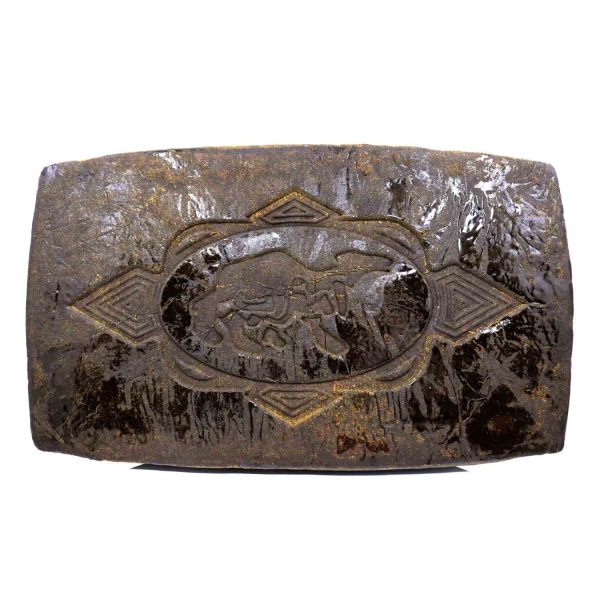
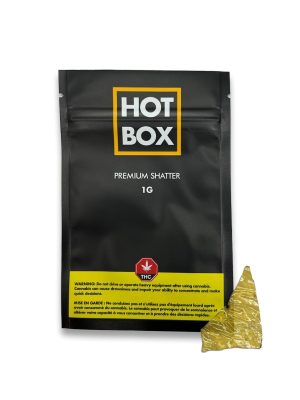
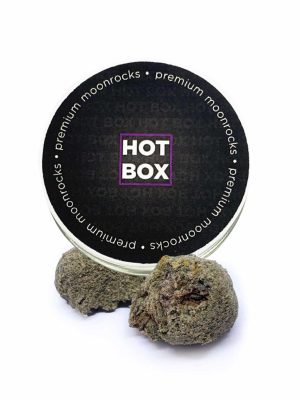
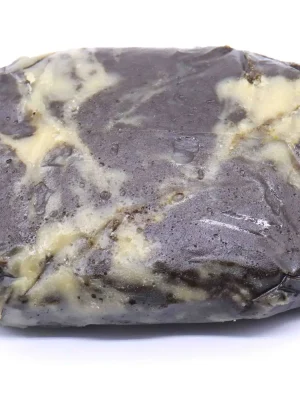
Nepalese Camel Hash – HOTBOX | 100% Pure | USA | Canada

$8.70$203.00

What Is Nepalese Camel Hash?

Contrary to its name, Camel Hash isn’t linked to camels but is a handcrafted hashish celebrated for its purity and potency. Made from the resin of cannabis plants native to Nepal’s fertile hills, it’s a labor of love passed down through generations. The term “Camel” might stem from local dialects or a nod to its smooth, enduring effects, much like a camel’s steadfast journey.

SKU: N/A Categories: , Tags: , ,

Nepalese Camel Hash: A Glimpse into Nepal’s Cannabis Heritage

Nestled in the Himalayas, Nepal is not only famed for its breathtaking landscapes but also for a cultural treasure: Nepalese Camel Hash. This unique cannabis concentrate, often overshadowed by its Indian counterpart Charas, holds a special place in the region’s traditions. Let’s unravel the story behind this enigmatic product, its creation, and its role in Nepalese culture.


what is Nepalese Camel Hash?

Contrary to its name, Camel Hash isn’t linked to camels but is a handcrafted hashish celebrated for its purity and potency. Made from the resin of cannabis plants native to Nepal’s fertile hills, it’s a labor of love passed down through generations. The term “Camel” might stem from local dialects or a nod to its smooth, enduring effects, much like a camel’s steadfast journey.


History and Cultural Roots

Hashish has been part of Nepal’s spiritual and social fabric for centuries. Sadhus (Hindu ascetics) historically used it to aid meditation, believing it bridged the human and divine. In villages, farmers rubbed fresh cannabis buds to create resin balls—early forms of Camel Hash—for both ritual and communal use.

Key moments:

  • 1960s–70s: Nepal’s hashish gained global attention as hippie travelers flocked to Kathmandu’s Freak Street.
  • 2020 Decriminalization: Nepal re-legalized cannabis for cultural and medicinal use, reviving interest in traditional products like Camel Hash.

Crafting Camel Hash: Art Meets Nature

The process is simple yet meticulous:

  1. Harvesting: Select resin-rich cannabis plants grown at high altitudes.
  2. Hand-Rubbing: Fresh buds are gently rubbed between palms, collecting sticky resin.
  3. Aging: The resin is rolled into balls or slabs and aged to enhance flavor and potency.

Unlike machine-made hash, this method preserves terpenes, yielding a floral, earthy aroma and a clean, cerebral high.


Effects and Characteristics

  • Potency: High THC levels (20–30%) offer a balanced euphoria, ideal for relaxation or creativity.
  • Flavor: Notes of pine, spice, and citrus, reflective of Nepal’s diverse flora.
  • Usage: Smoked in pipes or mixed with tobacco; small doses recommended for newcomers.

Legality: Navigating Nepal’s Cannabis Laws

While Nepal decriminalized cannabis in 2020, regulations remain nuanced:

  • Legal: Cultural/religious use and small-scale cultivation.
  • Illegal: Commercial sale without permits.
    Abroad, Camel Hash remains prohibited in most countries, classified as a Schedule I substance.

Identifying Quality Camel Hash

  • Texture: Soft, pliable, and slightly sticky.
  • Aroma: Pungent and herbal, without chemical undertones.
  • Color: Ranges from golden-brown to deep green, depending on the strain.

Avoid products that crumble easily or smell artificial—these may contain fillers.


The Modern Market: Preservation and Challenges

Today, Camel Hash is both a cultural icon and a niche product. Artisan collectives in Nepal are reviving traditional methods, while global demand grows among connoisseurs. However, legal barriers and commercialization threaten its authenticity.


Final Thoughts

Nepalese Camel Hash is more than a cannabis product—it’s a testament to Nepal’s heritage and craftsmanship. Whether you’re a curious traveler or a seasoned enthusiast, respecting its cultural roots and legal boundaries ensures this tradition endures. As Nepal redefines its relationship with cannabis, Camel Hash remains a symbol of nature, patience, and human connection.

Frequently Asked Questions (FAQ) About Nepalese Camel Hash


1. What is Nepalese Camel Hash?

Nepalese Camel Hash is a traditional cannabis concentrate handcrafted in Nepal. Made from the resin of locally grown cannabis plants, it’s known for its purity, potency, and cultural significance. Despite the name, it has no connection to camels—the term likely references its smooth, enduring effects or regional dialects.


2. How is it different from Charas or other hashish?

While similar to Indian Charas (also hand-rubbed resin), Nepalese Camel Hash is distinct in its terpene profile and regional crafting techniques. It often features floral, earthy, or citrus notes due to Nepal’s unique climate and cannabis strains.


3. Is Nepalese Camel Hash legal in Nepal?

Since 2020, Nepal has decriminalized cannabis for cultural, religious, and medicinal use. Small-scale cultivation is permitted, but commercial sale remains illegal without government permits. Always respect local laws and traditions.


4. Can I travel internationally with Camel Hash?

No. Most countries classify hashish as a Schedule I controlled substance. Even if purchased legally in Nepal, transporting it across borders is illegal and risks severe penalties.


5. What effects does Camel Hash produce?

With THC levels ranging from 20–30%, it offers a balanced euphoria—relaxing yet uplifting. Users report enhanced creativity, mild sedation, and a clear-headed high. Start with small doses to gauge tolerance.


6. How do I identify authentic Nepalese Camel Hash?

Look for:

  • Texture: Soft, pliable, and slightly sticky.
  • Aroma: Natural herbal or floral notes (no chemical smell).
  • Color: Golden-brown to deep green, depending on the strain.
    Avoid crumbly or artificially scented products.

7. How is Camel Hash traditionally consumed?

It’s typically smoked in a pipe, mixed with tobacco, or vaporized. Some traditionalists roll it into small balls for oral use, though this is less common.


8. Why is it culturally significant in Nepal?

For centuries, Nepalese hashish has been used in spiritual practices by Sadhus (Hindu ascetics) to aid meditation. Villagers also crafted it for communal rituals, believing it fostered connection and introspection.


9. Where can I buy authentic Camel Hash today?

In Nepal, small-scale artisans and rural communities still produce it for cultural use. However, commercial sale is restricted. Outside Nepal, it’s rare and often illegal—never purchase it from unverified sources.


10. Are there efforts to preserve this tradition?

Yes! Local collectives and advocates are reviving traditional methods to protect Nepal’s cannabis heritage. However, commercialization and global drug laws pose challenges to its authenticity.


11. Can I grow cannabis in Nepal to make my own Camel Hash?

Small-scale cultivation for personal or cultural use is permitted under Nepal’s 2020 laws. However, large-scale production or unlicensed sales remain illegal.


12. Is Camel Hash safe for beginners?

While generally considered safe when used responsibly, its high THC content can be overwhelming. Beginners should start with tiny doses and avoid combining it with alcohol or other substances.


Final Note
Nepalese Camel Hash is a bridge between history and modernity—a product of patience, skill, and reverence for nature. Whether you’re drawn to its cultural roots or curious about its effects, always prioritize legality, safety, and respect for tradition. 🌿✨

Hash Grams

1x, 7x, 14x, 28x

Reviews

There are no reviews yet.

Be the first to review “Nepalese Camel Hash – HOTBOX | 100% Pure | USA | Canada”

Your email address will not be published. Required fields are marked *